

Hello traders,
Hope you all had a great weekend and some time off screens.
Last week was an interesting one where Nasdaq closed highe trailed by ES and Russell finished red on the week.
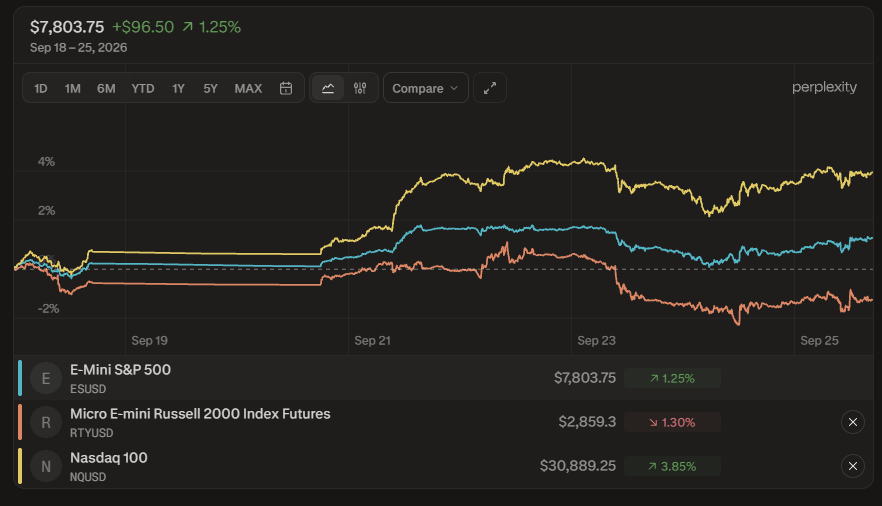
The gains in the Nasdaq occured due to Meta launching its AI assistant Muse and simultenously we getting “peace deal” headlines out of the Middle east which also helped tame the 10Y yields.
This puts QQQ at a hair’s breadth from all time highs at close on Friday.
This week we have core PCE and GDP as the main headline news that can move the markets.
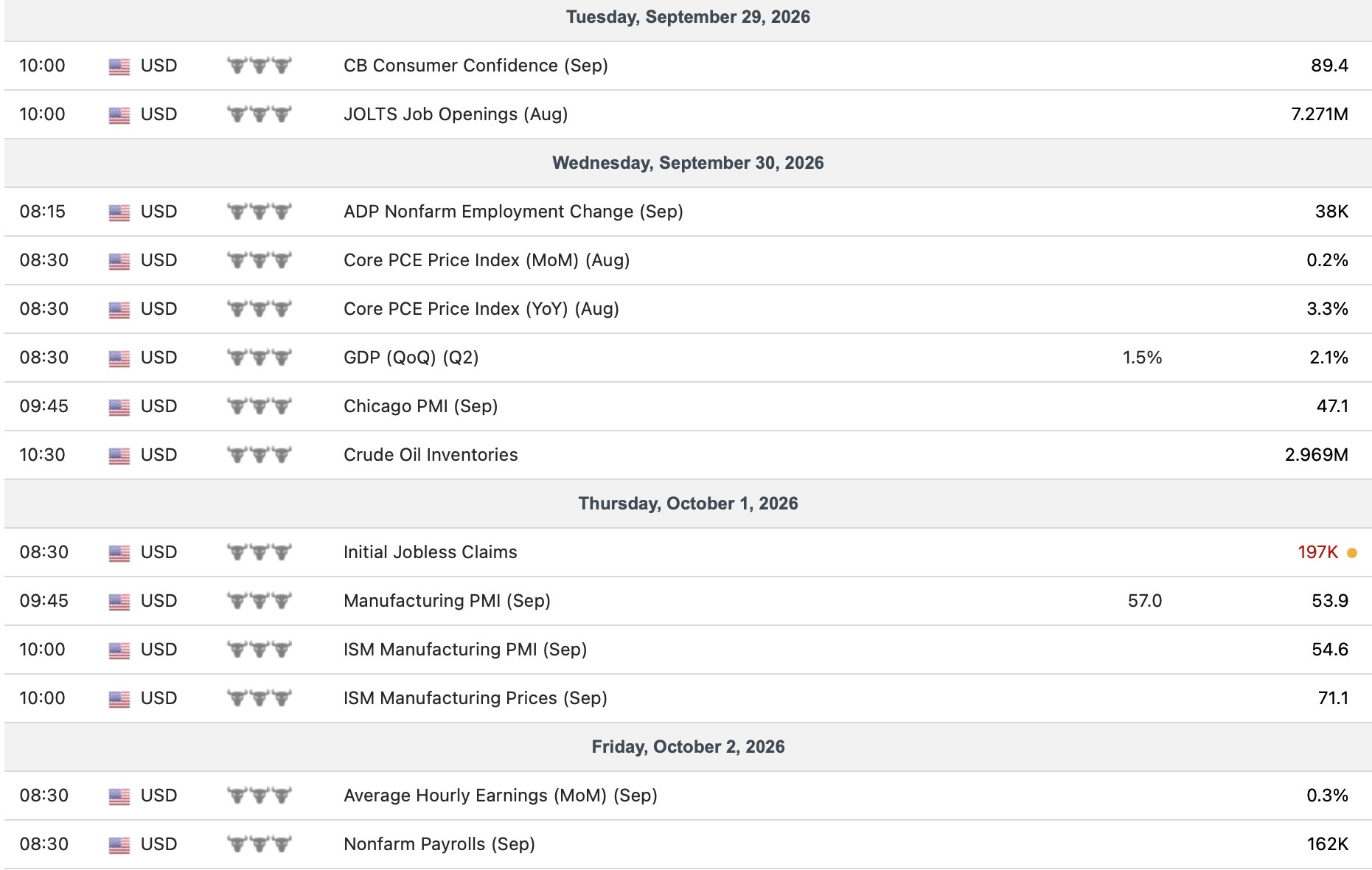
PCE is the Fed’s preferred gauge of inflation. As we know by now, that majority of the FOMC is leaning towards another hike of 25bps at the least.
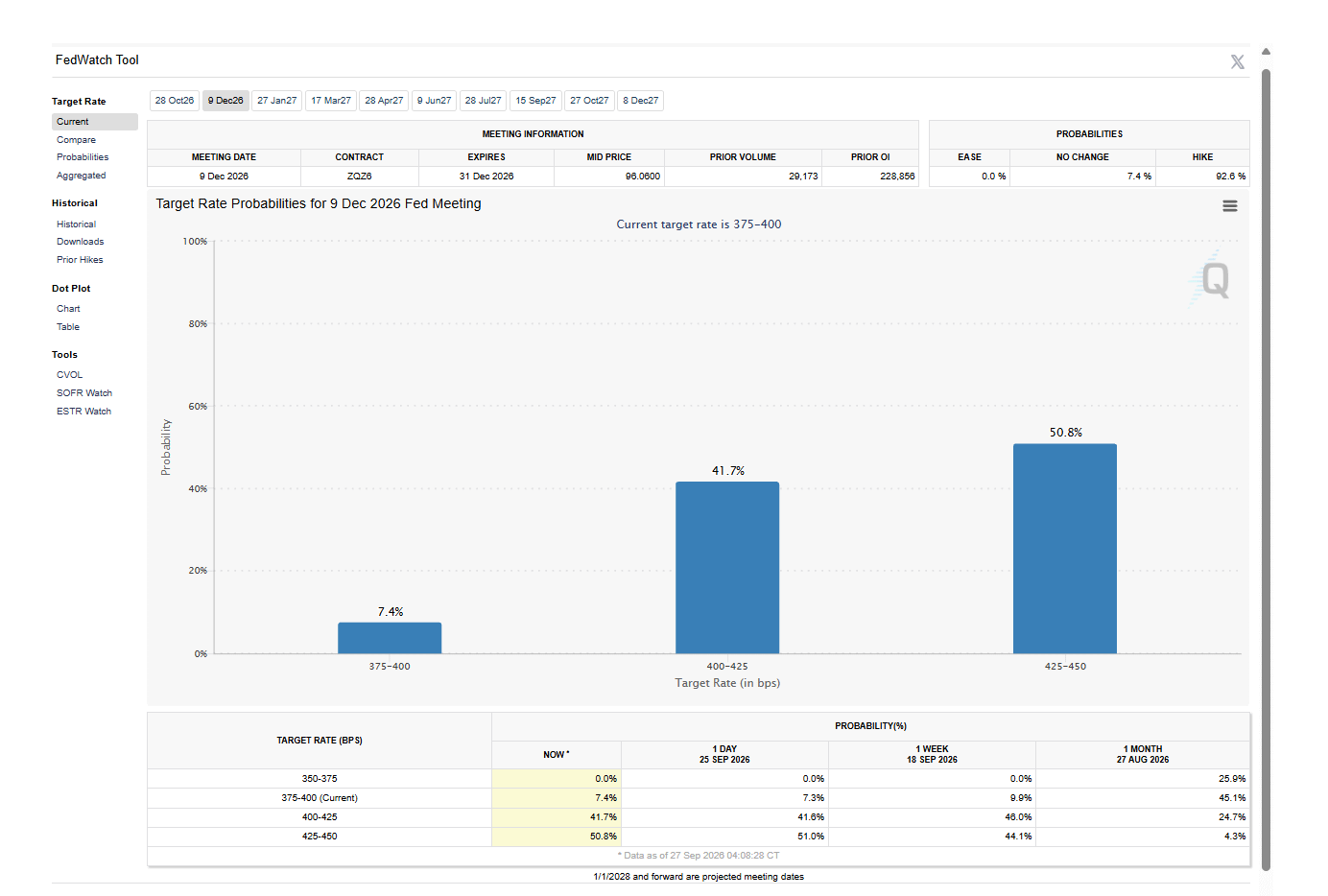
ALL TIME HIGH PRICES ALL TIME LOW CONFIDENCE
This past month has been interesting when it comes to breadth of the market.
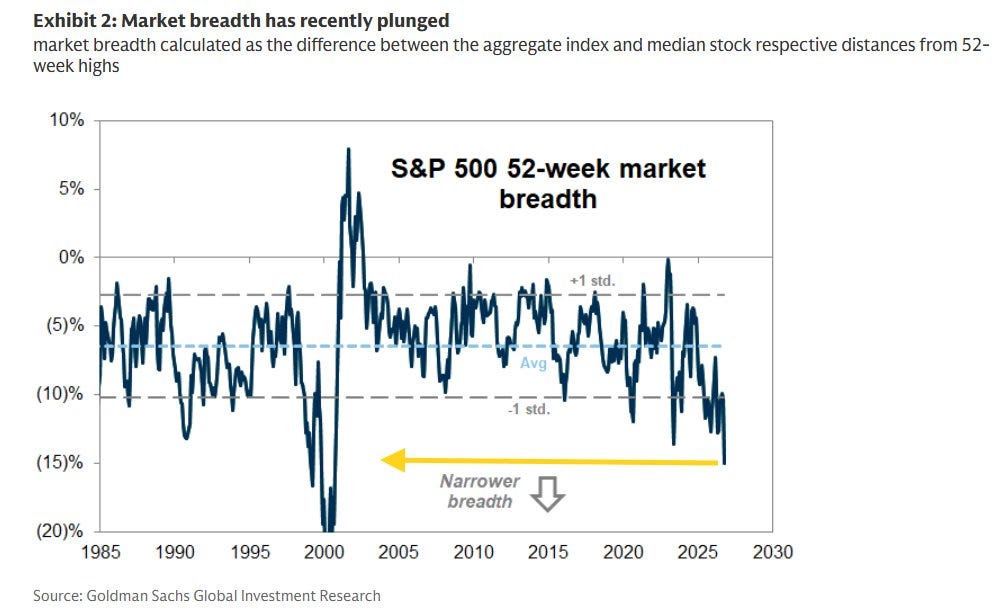
The S&P is trading only 100-150bps below the all time high, but the breadth has fallen to historic lows.
Median S&P500 stock is down 16% below the 52 week highs. This is not a situation where “rising tides lifts all boats” situation.
Additionally, news off Hormuz has not been all rosy as the administration would like us to tell.
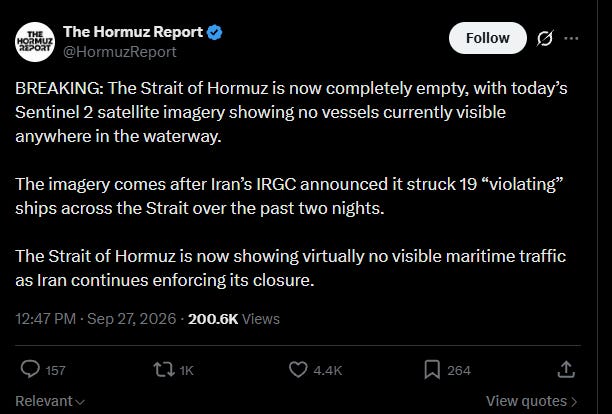
The US administration isn’t really keen on prolonged conflict with midterms nearing and the 10Y responding to Crude oil movements.

Fence-sitting voters overwhelmingly are against the Iran war with 70% of them saying the war was a bad decision. Single issue voters(Gas price voters) are also against the war due to increased inflation.
BONDISTAN BLUES

With the backdrop of 10Y yields spiking, we think Trump admin probably cuts a sweetheart deal with Iran either before the midterms or right after.
Therefore the bearishness thoughts of the market maybe shortlived.
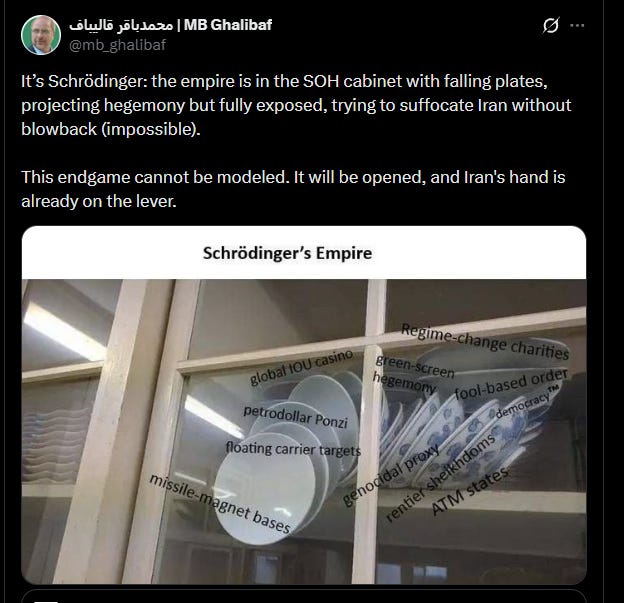
So, what is the bad case and the kinda less bad case for the markets here?
Bad case for equities: 10Y/30Y yields keep rising because growth and inflation expectations keep going up along with Strait of Hormuz choking crude oil.
Less bad case: yields rise because traders suddenly jam more hikes into the front end.
The 10s30s bear flattening is our evidence that policy repricing is dominating the growth repricing in recent days.
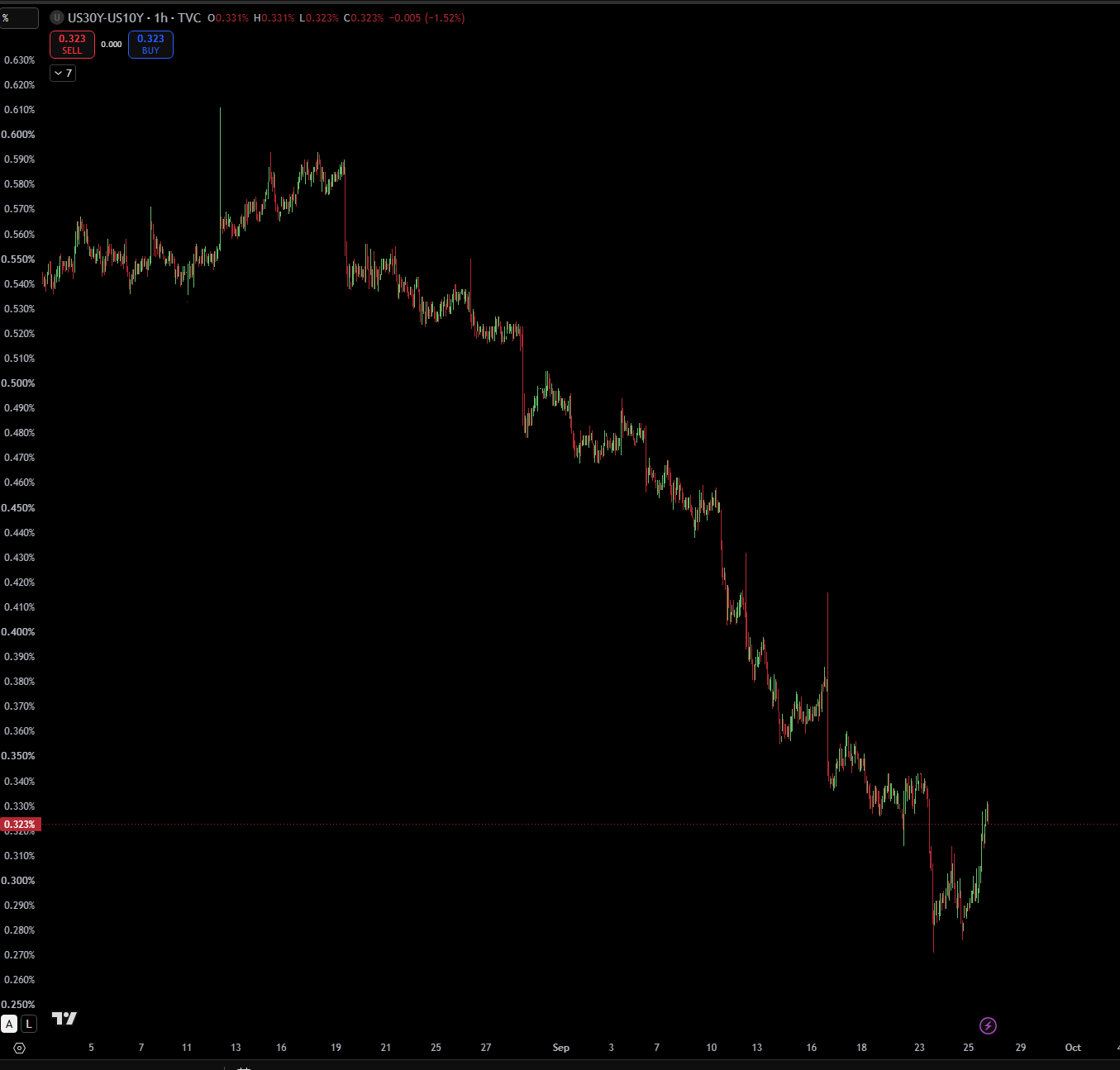
The ES drop if it happens due to a discount rate shock, would be bought back up quickly, however if it is earnings shock(multiple compression) then we can see a prolonged drawdown on the ES.
In simple terms:
expected policy rate ↓ → SOFR futures ↑ → Treasury yields stabilize/fall → bond vol ↓→ crude oil ↓ → Equities ↑
CL plays a critical role here
CL ↓ → inflation pricing ↓ → terminal-rate expectations ↓ → rates ↓/stable → MOVE/bond vol ↓ → VIX ↓ → ES ↑
Again if you did not understand this, it is totally fine and it is not needed for anything if you are just directionally punting Nasdaq on a daily basis.
No Algo, I want to learn and understand. Wow I thought you’d never ask.
Let me show you the illustrated charts
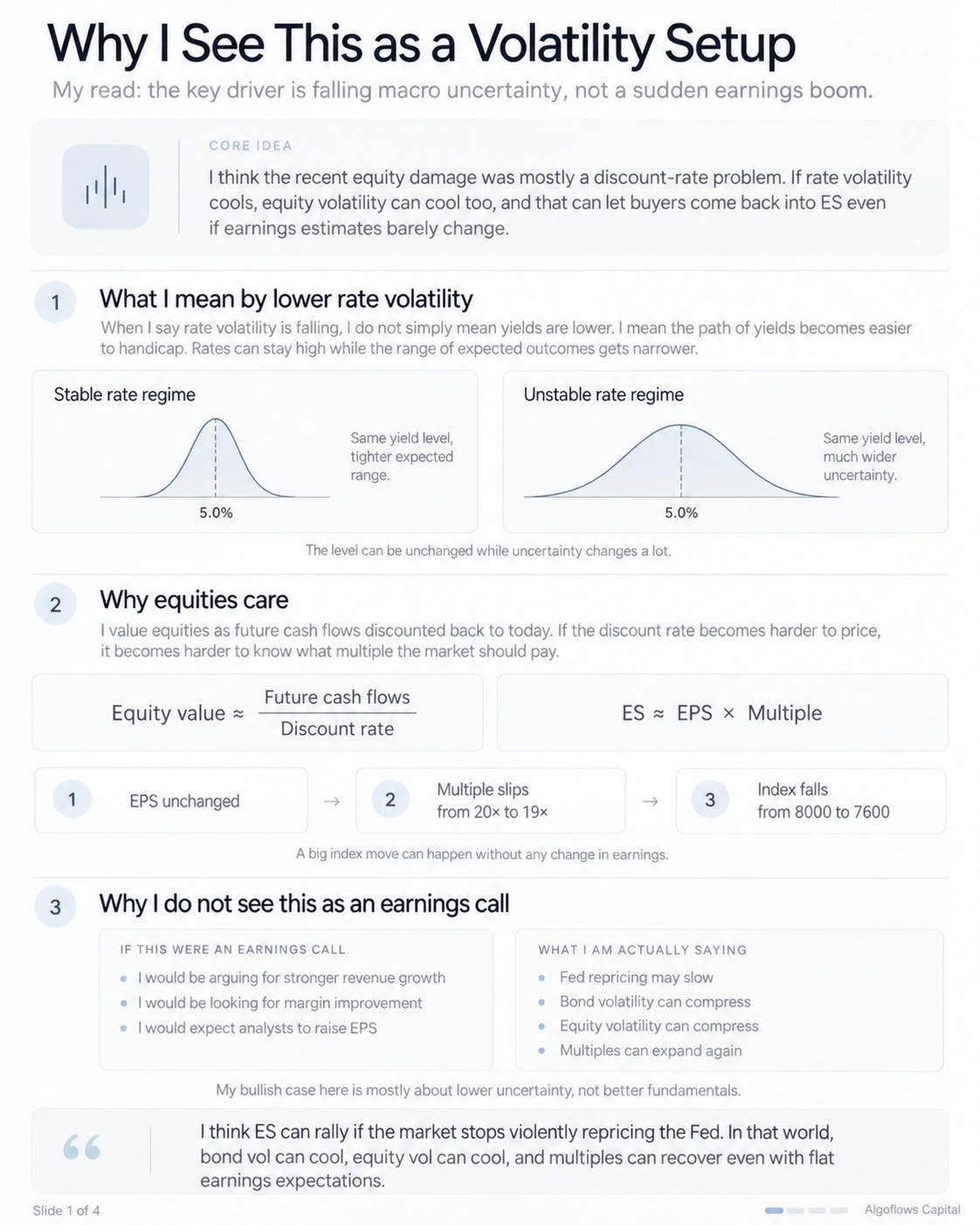
Slides 2-4 continue after the paywall.
